

Since I’ve been recently officially diagnosed with multiple diagnosis (including BPD), I have found Dialectal Behavior Therapy incredibly helpful so far even though it’s only been a short amount of time practicing it.
So, I wanted to share with you all what I know about DBT and why it’s useful to know about since it’s becoming so important to me.
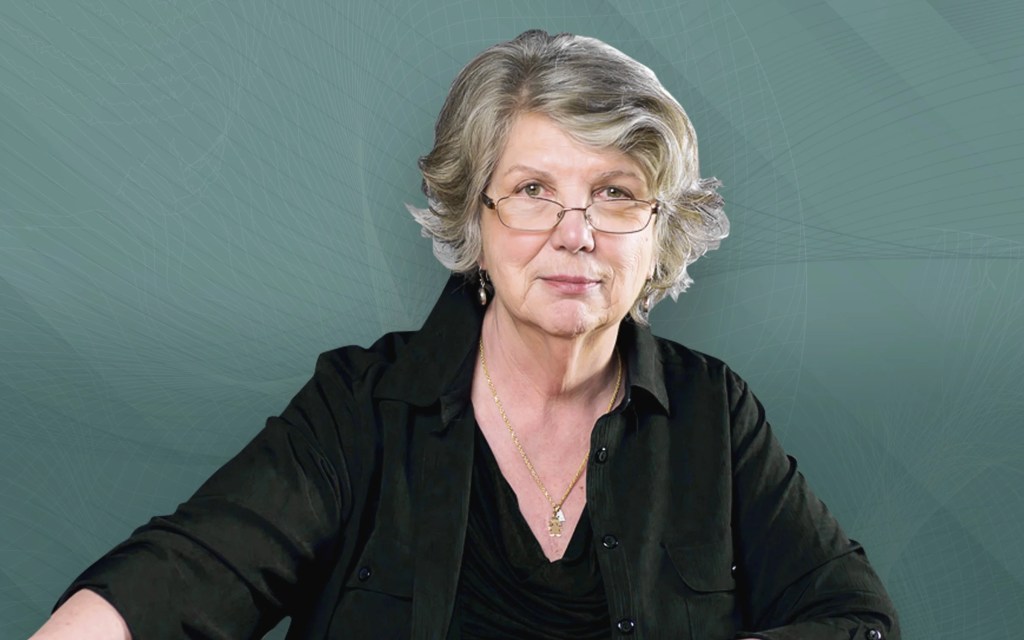
Dialectal Behavior Therapy was created by Marsha M. Linehan in the late 1980’s.
“Marsha Linehan’s development of DBT was a major advancement in the field of psychology, effective at treating clients who were not improving with the existing methods at the time. This unlocked new means of treating people with chronic suicidality and borderline personality disorder (BPD) and has since been shown to be helpful to people with other disorders.
Linehan is also an author and has founded Behavioral Tech LLC, which trains mental health professionals in Dialectical Behavior Therapy (DBT), and co-founded the DBT-Linehan Board of Certification (DBT-LBC) to identify providers offering evidence-based DBT. She is also trained in spiritual direction and serves as an associate Zen teacher in both the Sanbo-Kyodan School in Germany and the Diamond Sangha in the U.S.” – Wikipedia
The skills in Dialectal Behavior Therapy are organized in 4 modules:
- Mindfulness
2. Emotion Regulation
3. Distress Tolerance
4. Interpersonal Effectiveness
Mindfulness
Marsha Linehan realized that meditation itself was hard people to do because it was hard for them to focus just on their breath.
So, she decided to incorporate Zen mindfulness practice into behavioral language.
All of the other skills learned in DBT depend on the Mindfulness teachings so that is why it is the first one that is taught.
In a quick summary, mindfulness is noticing, paying attention to what is there and what is in your mind. It’s the skill of observing.
Emotion Regulation
Emotion Regulation incorporates identifying, understanding, and changing emotional responses in a balanced way.
Emotion Regulation helps builds resilience, reduce suffering, and improves well-being.
Distress Tolerance
Marsha M. Linehan noticed that many people needed help handling multiple diagnosis at a time.
So, she created the Distress Tolerance group which entails developing strategies to endure crises without resorting to harmful behaviors.
One of the skills taught in this group is called Radical Acceptance and radical acceptance means letting go of what you want and letting go of how you want things to be- and accepting things fully as they are and what they are not.
It does not mean you have to agree or like what is happening or what has happened. But it does mean sitting with the reality that things are the way they are because of a million decisions and choices before it.
Interpersonal Effectiveness
In Interpersonal Effectiveness, people learn how to ask for what they want while maintaining the relationship and keep your own self-respect.
It teaches a lot about timing, how to validate others, how to join conversations, how much to self-disclose or not self-disclose, and how to see other people’s point of view.
I’ve currently learned a tiny bit of each section and look forward to all the learning I have yet to do!
It is intimidating to be honest. And although there are many pros to DBT, a con is that it takes time and that it’s a big commitment.
Because I met with a therapist today to talk about joining his DBT Skills group, I learned that he personally requires patients to attend 12 out of the 20 recommended group sessions. So, that’s what I’ll be up to for the next 20 weeks!
My primary therapist also will be sending me DBT diary cards that she bought from Etsy so that I can track how I’m doing, feeling, and what skills I’m using and when.
I really admire Marsha M. Linehan for sharing DBT with the world and admire her ability to find ways to help others.
I definitely am grateful for her and I hope you enjoyed this post!
 Foolishly Happy
Leave a comment